


The Church That Stopped Trying to Grow and Started Showing Up
Riverside Church shrunk on purpose and instead found a bigger way to belong
You may notice that this article steps outside our usual Baptist family tree. We’re telling the story of Riverside Church, a Presbyterian congregation, because one of its pastors, Shannon Kiser, also serves as the director of Fresh Expressions, a ministry partner within BGAV.
Riverside’s story offers something especially valuable for Virginia Baptists right now—not a model to copy, but a posture to consider. Their experience highlights what can happen when a church reimagines its presence in the community, treats its building as a tool rather than a destination, and creates everyday spaces where relationships can grow before programs ever do.
We share this story in the spirit of learning across traditions. Our hope is that BGAV churches will find here not a blueprint, but a set of transferable questions: How are we showing up in the places our neighbors already gather? Where might God be inviting us to create new points of connection? And what could faithfulness look like beyond our Sunday walls?
Riverside Church in Sterling, Virginia, has learned a strange kind of courage: the willingness to prune on purpose so it can grow in the right direction.
Brian Clark, the organizing pastor who helped start the congregation nearly three decades ago, jokes that he can teach you “how to shrink a church”—because Riverside has lived through multiple “mass exodus” moments. Each time, the loss clarified something essential: Riverside wasn’t trying to perfect a Sunday experience. It was trying to become a community where people actually belong, and where faith shows up in ordinary life—Monday through Saturday, not just in a sanctuary.
That conviction led Riverside to rethink what a church facility is for. Their address at 21631 Ridgetop Circle isn’t just a worship destination: it’s a marketplace of relationships. People can come for coffee, bring kids, meet a friend, study, or take a breather—and stumble into the kinds of “collisions” that, over time, become conversations and relationships.
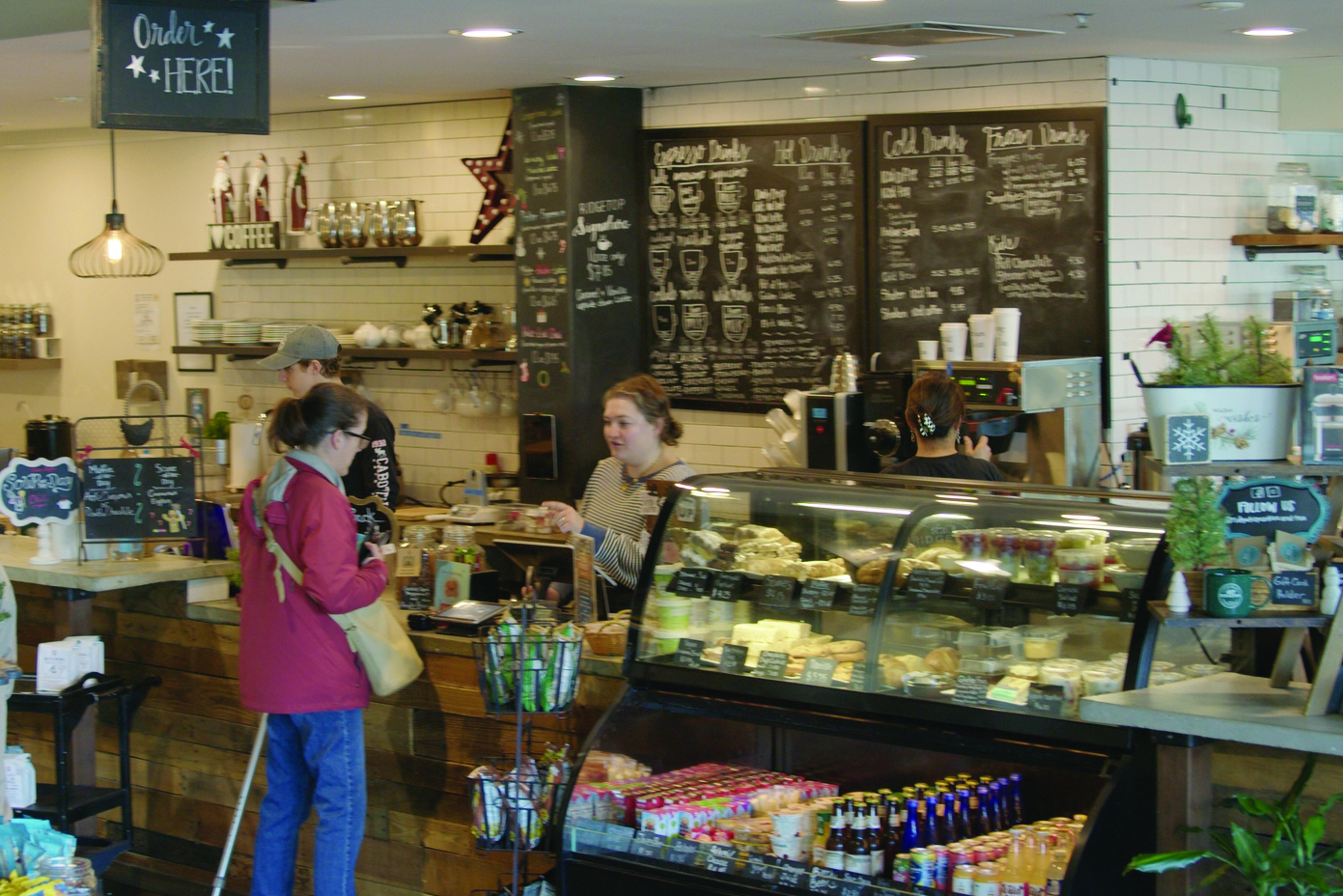
seeking caffeine, companionship, and a welcoming space to spend time. (BGAV photo)
Clark describes the church’s turning points as a series of decisions to choose depth over applause. Early on, Riverside was given property. It was “great property,” he recalls—but the more they studied it, the more they realized the land wouldn’t carry the kind of large, conventional church campus some people expected. When Riverside chose not to chase the building dream, some families left. For Riverside, that departure was painful but clarifying: if church is defined primarily as a facility, then the community would never be free to become the kind of “people-with-people” presence the gospel calls for.
The pattern repeated in a surprising way through what should have been an easy win: Christmas Eve. Riverside’s first Christmas production was, by any measure, spectacular. The story reads like a fever dream of excellence: professional-grade sound and lighting, dramatic staging, and memorable visuals. It worked; they packed fields full. But Clark says they eventually realized the “show” was doing what shows do: drawing crowds without necessarily forming disciples. So Riverside did the unthinkable. They “canceled Christmas” for three years, sending people home with a simple kit: invite neighbors, share coffee and cookies, use questions that open honest conversation about what Christmas means. It cost them attendance. It also re-centered them on relationships.
That commitment to the community’s real needs also pushed Riverside into spaces that were more controversial than they expected. When they started a Spanish-language worship service, Clark says he was naïve about how some people would make that decision political. He simply knew there were Spanish speakers in the neighborhood and that the gospel belongs in every language and culture. Some people left. Riverside stayed.
That posture—stay, listen, stay longer—shows up in everything Riverside does now. Edwin, one of Riverside’s pastors who came to help launch the Spanish-speaking ministry and is now lead pastor, describes Riverside as “a movement of the Holy Spirit” that keeps pushing outward. For him, Sunday worship matters, but the deeper work is discerning what God is already doing in the community—and joining it.
Over time, that outward posture turned into long-haul partnerships. Edwin points to Riverside’s deep relationship with Sugarland Elementary (a nearby Title I school), where listening led to tangible initiatives: tutoring and after-school care, a VBS-style “Sonrise Camp” that moved into the school and became free and accessible, and consistent care for teachers who often spend their own money to serve kids well. When a beloved teacher died, the school asked Riverside to show up—not to perform, but to be present.
Riverside’s “presence” strategy has a center of gravity: Ridgetop Coffee & Tea, which Riverside opened in March 2016 to engage the community without pressure. The shop is designed like a true “third space”—tables and chairs for meetings and study, indoor and outdoor seating, and even a play area that makes it possible for parents to have an adult conversation while their kids interact safely nearby. Ridgetop’s own “Our Story” frames the mission plainly: coffee as a relational ministry—high-quality products, genuine hospitality, and a space where people feel cared for.
And it’s working in the exact way Riverside hoped: people come for coffee and slowly discover community. Edwin tells the story of someone who had been coming to the coffee shop for two years before entering the sanctuary for the first time around Easter—saying, essentially, “I don’t like church, but this place has become our church.” That’s not a marketing funnel. That’s discipleship by proximity.
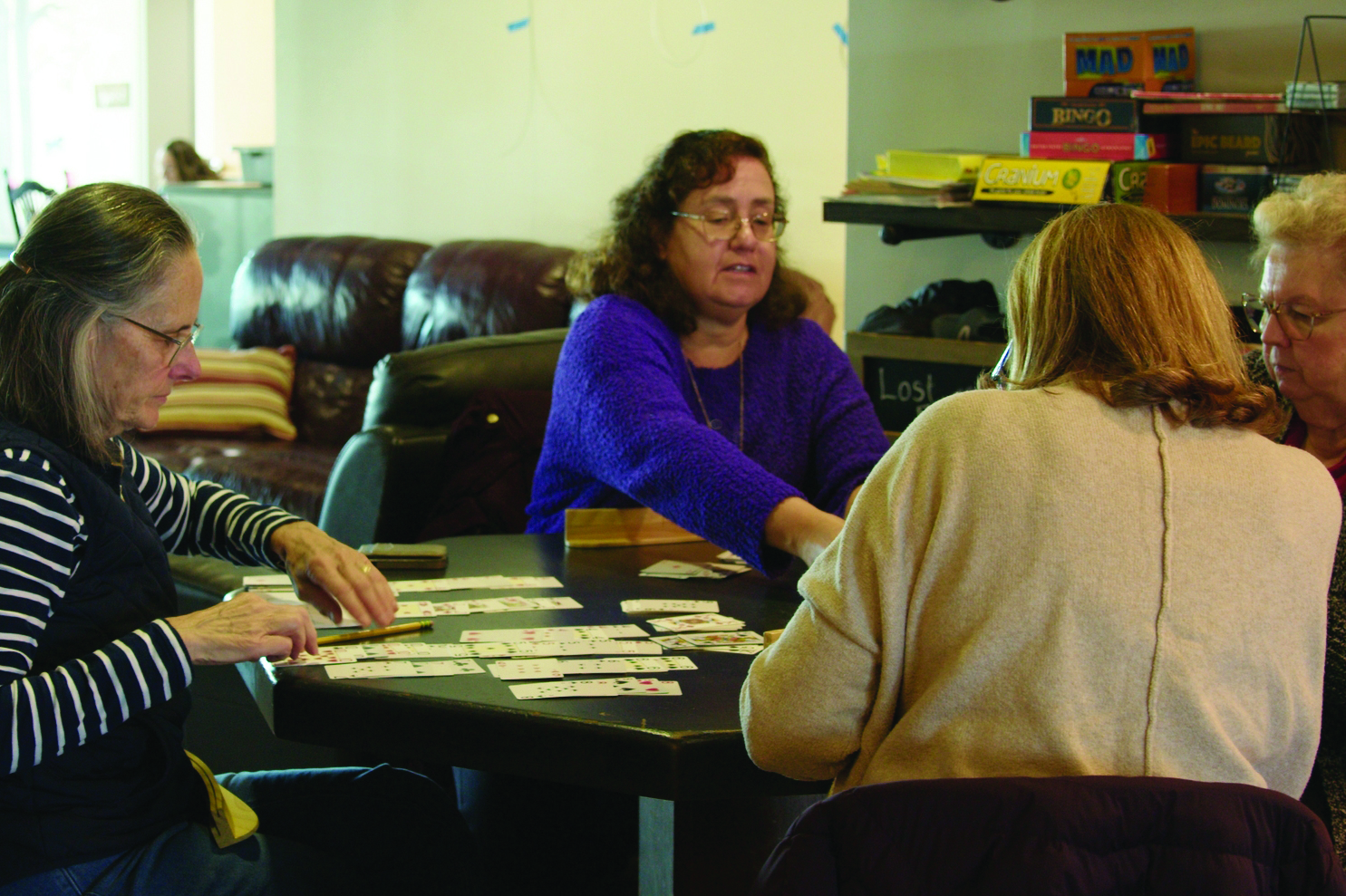
Shannon Kiser, a pastor at Riverside who also serves in Fresh Expressions leadership, describes the church’s facility as a hub for people in everyday life. Riverside developed a model where their footprint as “church space” is relatively small, while much of the building functions as shared community space and leased workspace. The rental income helps support the facility, so mission giving can be freed up for ministry rather than overhead. In her words, it’s a “diversified portfolio” that supports a missional posture: the building becomes a tool for blessing, not a monument.
Behind the coffee shop, the Spanish-speaking ministry, the school partnership, and the shared-space facility is a theological wager: you can’t control conversion, spiritual curiosity, or deep trust. But you can control whether you show up consistently enough for “collisions” to become conversations—and conversations to become community.
Riverside is betting the church doesn’t need to be louder. It needs to be closer.

